CategoriesAirbnb Development Investment Real Estate tips & tricks

How to Become a Successful Airbnb Host in Kenya in 2026 (Expert Tips for High Bookings)

How to Become a Successful Airbnb Host in Kenya in 2026 (Expert Tips for High Bookings)  

Introduction 

Kenya’s Airbnb market continues to surge in 2026 — from bustling city apartments in Nairobi to tropical escapes along the coast. More travelers are turning to Airbnbs for affordable, authentic experiences. Whether you own a city studio or a beachfront villa, you can turn your space into a steady income source with the right hosting strategies.

In this post, we share step-by-step tips on how to become a successful Airbnb host in Kenya in 2026, optimized for both Google visibility and guest satisfaction.

1. Research and Understand the Airbnb Market in Kenya (2026 Outlook)

Before listing, study your target audience. Kenya’s Airbnb guests range from international tourists to local digital nomads and event travelers.

Top Performing Locations

  • Nairobi:City apartments and serviced lofts
  • Mombasa, Diani, and Watamu:Beachfront stays
  • Naivasha and Nanyuki:Cottages and nature escapes
  • Kisumu:Business and cultural travelers

2. Design a Guest-Ready Space That Feels Like Home

Your Airbnb’s design and comfort directly affect guest reviews.

Must-Have Features

  • Reliable Wi-Fi
  • Comfortable bedding
  • Backup power (solar or inverter)
  • Spotless cleanliness
  • Kitchen essentials

Consider infusing Kenyan charm — hang local art, provide Kenyan tea and coffee, or decorate with coastal or Maasai influences.

Pro Tip: Guests love unique spaces. Add a cozy reading nook, a garden lounge, or balcony hammocks for extra appeal.

3. Use Smart Pricing for More Bookings

Your pricing determines visibility on Airbnb search results.

Smart Pricing Strategies

  • Use Airbnb’s Smart Pricingto analyze market trends.
  • Offer long-stay discounts(7+ nights).
  • Adjust prices seasonally— for holidays or events.
  • Compare your location’s similar listings using the “View ranking” feature.


4. Optimize Your Listing for Google and Airbnb SEO

An optimized Airbnb listing helps both the Airbnb algorithm and Google users find you.

Checklist for SEO optimization:

  • Use clear, keyword-rich titles:
    “Charming Studio Apartment in Nairobi, Near Westlands — Free Wi-Fi + Parking”
  • Upload 12+ high-quality photos(interior, views, amenities).
  • Write detailed descriptionsanswering who, what, and where.
  • Highlight proximity to attractions(CBD, beach, safari park).

Bonus Tip: Use the first 3 lines of your description wisely — they determine if someone clicks “read more.”

5. Deliver a World-Class Guest Experience

Excellent reviews build credibility and attract future bookings.

Guest Experience Tips:

  • Respond quickly to inquiries.
  • Provide self-check-inoptions (smart locks or key boxes).
  • Offer welcome packageswith snacks or local souvenirs.
  • Check in mid-stay to ask if guests need anything.
  • Leave a “thank you” note or discount coupon for returning guests.

Goal: Maintain a minimum 4.8-star rating to rank higher on Airbnb’s search listings.

6. Market Your Airbnb Beyond the Platform

In 2026, hosts who rely solely on Airbnb will miss out on a huge online audience.

Smart Marketing Channels

  • Create Instagram, YouTube, or TikTok pages to showcase your space.
  • Collaborate with Kenyan travel influencersor vloggers.
  • List on Travelstart Kenya, com, or Google My Business.
  • Encourage guests to share their stay using hashtags like #AirbnbKenyaor #NairobiStaycation.

7. Stay Legally Compliant and Professional

Running a compliant Airbnb builds credibility and protects you legally.

Legal Requirements in Kenya

  • Register your business with eCitizenif renting multiple units.
  • Obtain county operating licenses(especially in Nairobi or Mombasa).
  • Pay KRA taxes, including Digital Service Tax (DST).
  • Follow estate or apartment complex hosting rules.

Tip: Keep digital copies of all compliance documents to show guests your professionalism if asked.

8. Embrace Smart Tech and Sustainability

By 2026, guests increasingly appreciate eco-friendly and tech-driven Airbnbs.

Add-ons That Increase Bookings

  • Smart thermostats or locks
  • Energy-saving bulbs and solar lighting
  • Waste recycling bins
  • Inverter backup systems

These updates enhance comfort, reduce costs, and appeal to eco-conscious travelers.

9. Offer Unique Local Experiences

Stand out on Airbnb by offering experiences.

  • Guided Nairobi food tours
  • Safari day packagesto Amboseli or Nairobi National Park
  • Swahili cooking classes
  • Coffee farm toursor handicraft workshops

Such experiences increase your income and give guests memorable stories to tell (which means free marketing through word-of-mouth and social media posts).

10. Drive Repeat Bookings and Build Loyalty

Returning guests are your best marketing tool.

How to Foster Repeat Guests

  • Offer discounts or loyalty codes.
  • Send personalized “thank you” follow-up emails.
  • Keep guest preferences noted (e.g., favorite snacks, pillow type).
  • Encourage reviews with gentle, friendly reminders.

The more repeat guests you have, the higher your listing ranks — both on Airbnb and Google.


Becoming a successful Airbnb host in Kenya in 2026 takes preparation, creativity, and consistent excellence. Combine professionalism, authentic hospitality, and strong SEO optimization, and you’ll see your bookings soar.

As tourism rebounds and local travel thrives, this is your moment to turn your space into a profitable, well-loved destination.

CategoriesBanking and Mortgage Development Investment Real Estate tips & tricks

How Kenyan Politics & Governance Are Shaping the Real Estate Industry in 2025

How Kenyan Politics & Governance Are Shaping the Real Estate Industry in 2025

1. The Political Climate Driving Real Estate in 2025

In 2025, Kenya’s political and governance landscape continues to play a pivotal role in shaping real estate trends. While policy uncertainty and governance challenges remain, the government’s strong focus on infrastructure development and institutional reforms is driving investor confidence and market growth.

According to analysts, political stability and predictable regulation are now the top two factors influencing real estate investment decisions.

“Policy certainty has become just as important as location,” one property expert noted during the 2025 Kenya Property Developers Association (KPDA) conference.

 2. Infrastructure Investment: The Game-Changer

The government has channelled KSh 217 billion into infrastructure in the first half of 2025 alone — a 12% increase from 2024. This is fuelling a ripple effect across real estate sub-sectors:

  • Improved roads and transport corridors are opening new residential and commercial zones.
  • Property values in regions benefiting from new infrastructure (like the Coast and Nairobi outskirts) have surged by 20-25%.
  • Kenya’s real estate market posted a 7.8% annual return, outpacing even some advanced markets.

For developers and investors, tracking public infrastructure projects has become as critical as studying land values or zoning laws.

3. Land Policy & Regulatory Reforms

Kenyan politics has also shaped how land use and property development are regulated:

  • County governments are revising land-use zoning and permit processes, directly affecting where buyers and developers focus.
  • The national government is working toward digitizing title registration and land transfers to enhance transparency.
  • The 2025 KPDA theme, “Reset, Reform, Rise,” called for faster approvals, less bureaucracy, and accountability in the property sector.

These reforms aim to restore trust in the land system — long plagued by delays, fraud, and opaque approvals.

4. Governance & Housing Finance

Political and governance reforms are also transforming housing finance in Kenya:

  • The Central Bank’s rate adjustments have made mortgages more accessible.
  • The Kenya Mortgage Refinance Company (KMRC) continues to expand funding for affordable housing.
  • The government’s collaboration with private developers through Public-Private Partnerships (PPPs) is unlocking new housing projects across counties.

This alignment of fiscal policy and governance is helping drive Kenya’s Affordable Housing Agenda, making homeownership more attainable.

5. Governance Risks: The Other Side of the Coin

Despite progress, certain political and governance challenges persist:

  • Land fraud and corruption still threaten investor confidence.
  • Policy reversals or political instability at county level can stall development approvals.
  • Public sentiment about land inequality and elite capture continues to influence urban planning debates.

For developers and investors, incorporating governance risk assessments is now as important as market feasibility studies.

6. The Future: Governance Trends to Watch

Looking beyond 2025, several governance trends will continue shaping the industry:

1.  Expansion of Special Economic Zones (SEZs) and corridor developments
2.  County-level land policy harmonization under devolution
3.  Stronger ESG (Environmental, Social, Governance) requirements in property development
4.  Full digitization of land transactions to curb fraud
5.  New housing finance reforms promoting long-term mortgage stability

These shifts indicate that Kenya’s real estate future will be deeply intertwined with good governance and strategic political leadership.

Real Estate Follows Governance

Kenya’s real estate market in 2025 isn’t just shaped by supply and demand — it’s shaped by policy decisions, infrastructure priorities, and governance quality.

From county zoning to national infrastructure planning, the government’s hand is everywhere in defining property value and investment potential.

In the end, Kenya’s real estate is not just about land — it’s about leadership.


CategoriesBanking and Mortgage Development Investment Real Estate tips & tricks

How New Land Rules on Apartment Ownership Are Transforming Real Estate in Kenya

How New Land Rules on Apartment Ownership Are Transforming Real Estate in Kenya

Kenya’s new land rules allowing individual apartment owners to hold freehold title deeds instead of leasehold documents are transforming real estate ownership. This shift has affected buyers, developers, and the property market today.


A New Dawn for Apartment Ownership in Kenya

Kenya’s real estate sector has entered a new era in the recent few moths. With the implementation of the Sectional Properties Act, 2020 and related land reforms, apartment owners are now able to obtain individual title deeds for their units — a major departure from the old system where entire complexes were registered under one leasehold mother title.

This change has created new opportunities and challenges for property buyers, developers, and investors in the real estate industry. Understanding how these new land rules affect ownership is crucial for anyone participating in Kenya’s fast-growing property market.


From Leasehold to Freehold: What the New Rules Mean

Traditionally, most apartment owners in Kenya held leasehold interests — meaning they didn’t actually own the land beneath their building. The entire development sat on a single mother title held by the developer or a management company. Owners simply had “sub-leases” for their individual apartments.

Now, with the enforcement of the Sectional Properties Act, these developments can be subdivided into individual freehold or leasehold titles — known as sectional titles. Each apartment owner can hold a distinct certificate of title, registered under their own name, showing ownership of their unit and a proportional share of the common areas such as parking, corridors, gardens, and recreational spaces.

This system aligns Kenya with global real estate practices and is aimed at giving homeowners stronger ownership rights and legal protection.


Key Changes Introduced by the New Land Rules

Individual Ownership and Clearer Titles

Every apartment can now be issued a unique title deed — a huge step forward from shared or mother titles. This ensures each homeowner enjoys full ownership rights, including the ability to sell, transfer, or mortgage their property independently.

Impact:

  • Easier property transfer and resale
  • Reduced risk of ownership disputes
  • Stronger confidence among local and foreign buyers

Enhanced Access to Mortgage Financing

Banks and financial institutions are more comfortable lending against individual titles than shared leasehold documents. The new rules make it easier for apartment buyers to use their units as collateral for loans, since each unit now stands as a legally distinct property.

Impact:

  • Increased access to home loans
  • Boost in apartment sales and construction financing
  • Strengthened real estate investment climate

Formalized Management of Shared Amenities

Common areas — such as driveways, playgrounds, lifts, and swimming pools — are now governed by a Management Corporation automatically created under the sectional title plan. All apartment owners are members of this corporation and must contribute to maintenance and insurance of shared spaces.

Impact:

  • Professional management and accountability
  • Legal framework for service charge collection
  • Clear rules for resolving disputes among residents

Better Protection for Buyers and Investors

Before these reforms, developers often retained control over the mother title, making it hard for owners to confirm ownership or secure financing. With individual titles, buyers now receive documented proof of ownership, registered at the Ministry of Lands — offering transparency and legal security.

Impact:

  • Reduced fraud and title duplication
  • Buyers can independently verify ownership through official searches
  • Increased confidence in off-plan investments

Developers’ New Responsibilities

For developers, the law introduces additional obligations. They must prepare geo-referenced sectional plans, surrender the mother title, and register each unit with the Land Registrar before sale or handover. Developers are also required to form and register the Management Corporation on behalf of owners.

Impact:

  • Higher compliance and survey costs
  • Longer project approval timelines
  • Increased transparency and buyer confidence


Broader Impacts on Kenya’s Real Estate Market

Rising Property Values

Properties with individual title deeds generally command higher market prices and sell faster than those without. Buyers perceive them as safer investments with fewer legal complications.

Improved Urban Planning

County governments now have clearer data on property boundaries and can collect rates more efficiently. This supports better urban infrastructure planning, zoning enforcement, and service delivery.

Increased Market Liquidity

Secondary sales are faster and smoother because each apartment can be transferred independently. This improves liquidity in the real estate market, attracting both local and foreign investors.

Professionalization of Property Management

The requirement for legally recognized management corporations is fostering professional property administration. Complexes are better maintained, and governance is more transparent, helping preserve long-term property value.

Challenges and Transitional Issues

While the reforms are widely welcomed, they come with practical challenges:

  • Conversion costs: Developers and existing owners must pay for new surveys, sectional plans, and registration fees.
  • Administrative delays: County land offices face backlogs as many older developments seek conversion.
  • Legal awareness: Some owners remain unaware that conversion to sectional titles is now a legal requirement.
  • Disputes over common areas: Shared space responsibilities may trigger new legal conflicts if not managed transparently.

Nevertheless, these challenges are transitional and are expected to stabilize as the system matures.

Opportunities for Buyers and Developers

For buyers:

  • Always verify whether your apartment has an individual title deed or if it’s pending conversion.
  • Conduct a thorough title search at the Lands Registry to confirm ownership details.
  • Review the by-laws of the Management Corporation before buying into a complex.

For developers:

  • Prepare compliant sectional plans early in the project lifecycle.
  • Educate buyers on the new ownership structure and related fees.
  • Work closely with county land offices and licensed surveyors to avoid delays.

For investors:

  • Prioritize developments with individual titles — they have stronger resale and mortgage potential.
  • Monitor the health of management corporations before purchasing rental units.


The Future of Apartment Ownership in Kenya

The transition to individual apartment titles is a game changer. It aligns Kenya’s urban real estate sector with international standards, improves property market transparency, and enhances investor confidence. Over time, this system will make multi-unit housing safer, easier to finance, and more attractive to buyers seeking long-term security.


The move from leasehold to freehold or sectional ownership in shared apartment developments marks a major milestone in Kenya’s property ownership journey. While the conversion process presents short-term hurdles, its long-term benefits — clear ownership, better financing access, professional management, and increased property value — far outweigh the challenges.

Kenya’s real estate sector is evolving toward a more transparent, efficient, and investor-friendly market — one individual title at a time.


CategoriesArchitects Development Investment Real Estate tips & tricks

Why It Is Necessary to View a Green Card Even After Searching a Title Deed of a Property in Kenya Today

Why It Is Necessary to View a Green Card Even After Searching a Title Deed of a Property in Kenya Today

Why Land Verification Still Matters in Kenya

Buying land in Kenya is one of the most important investments anyone can make. However, with the rising number of land fraud cases and duplicate title deeds, it has become increasingly vital to go beyond the basic online title search at the Ministry of Lands.

Many property buyers assume that once a title deed search confirms the registered owner, the process is complete. Unfortunately, this is not always the case. The green card, often overlooked, remains the most critical document in verifying land ownership authenticity in Kenya today.

What Is a Green Card in Kenya?

A green card is the original record kept at the Lands Registry that captures the entire ownership history and official transactions of a parcel of land from the day it was registered.

Why It Is Necessary to View a Green Card Even After Searching a Title Deed of a Property in Kenya Today

This card includes:

  • The first registered owner’s name
  • All transfers, charges, cautions, and leases recorded over time
  • Any court orders or restrictions placed on the property
  • The official reference number and land parcel details

Essentially, the green card acts as the mother document for the title deed — the title you hold is simply a copy reflecting information derived from it.

The Difference Between a Title Deed Search and a Green Card

Feature Title Deed Search Green Card
Source Online or manual request at Lands Registry Physical document held at Lands Registry
Purpose Shows current registered owner Shows ownership history and all transactions
Scope Snapshot of current details Complete ownership chronology
Accessibility Easy to obtain Requires registry permission or advocate access
Reliability Can be falsified or duplicated Official and primary record

A title deed search only tells you who currently owns the land and if there are any charges or encumbrances. However, a green card reveals how ownership changed hands, ensuring the current title is legitimate.

Why Viewing a Green Card Is Now More Important Than Ever

In recent years, Kenya has witnessed several cases where fraudsters have used forged title deeds or manipulated land records. Some of these cases involved:

  • Duplicate or parallel titles registered for the same parcel
  • Unauthorized transfers done using fake documents
  • Fake title deeds printed using stolen templates
  • Encumbrances or cautions hidden from public searches
Why It Is Necessary to View a Green Card Even After Searching a Title Deed of a Property in Kenya Today

Even after conducting an online search through ArdhiSasa, it is still possible that discrepancies exist in the digital records. Viewing the physical green card at the Ministry of Lands Registry provides the final assurance of authenticity.

How to Access a Green Card in Kenya

  1. Visit the Ministry of Lands Registry in the county where the property is located.
  2. Apply through your lawyer or advocate, who will write a formal request.
  3. Provide ownership documents, including a copy of the title deed and ID.
  4. The land registrar may allow inspection of the green card or provide a certified extract.

This process may take more time than an online search, but it guarantees the most credible verification of the property’s status.

Why Smart Investors Always Check the Green Card

For anyone buying, leasing, or investing in land in Kenya, due diligence must go beyond the surface. Checking the green card helps you:

  • Confirm true ownership history — Ensure every transfer was legally conducted.
  • Detect fraudulent titles — Identify parallel registrations or forged transfers.
  • Reveal hidden encumbrances — Some charges or court orders might not appear in an online search.
  • Verify authenticity of the title deed — Ensure it aligns with the original registry record.
  • Build confidence for transactions — A transparent land history protects you from legal disputes.
Why It Is Necessary to View a Green Card Even After Searching a Title Deed of a Property in Kenya Today

 Green Card and ArdhiSasa: What You Should Know

While the ArdhiSasa digital platform has made land searches easier, it is still in the process of digitizing all historical land records. Not every property has been updated into the system, especially those registered before digitization began.

This means that:

  • Some green card data might not be reflected online yet.
  • If the digital search contradicts the physical records, the green card prevails.

Therefore, even in this digital era, the green card remains the final authority in confirming land ownership in Kenya.

Combine Both Title Search and Green Card Verification

To protect your investment:

  1. Start with an official online title search on ArdhiSasa or at the county lands registry.
  2. Follow up with a green card inspection at the registry to verify historical accuracy.
  3. Engage a licensed land surveyor and lawyer to interpret any discrepancies.

Doing both ensures you never fall prey to fraudulent property dealings.

The Green Card Is Your Final Line of Defense

In Kenya’s real estate landscape, a title deed search alone is not enough. Viewing the green card remains a crucial step in ensuring you are buying or investing in genuine, dispute-free land.

Before committing your hard-earned money, take that extra step — view the green card at the Ministry of Lands. It might just save you from losing millions to land fraud.


What to Consider When Selecting a Mortgage and Bank Company to Finance Your Property Buying
CategoriesAI Technology Architects Banking and Mortgage Development Investment Real Estate tips & tricks

What to Consider When Selecting a Mortgage and Bank Company to Finance Your Property Buying

What to Consider When Selecting a Mortgage and Bank Company to Finance Your Property Buying


Introduction

Buying a property is one of the most significant financial decisions you’ll ever make — and choosing the right mortgage provider or bank can either simplify or complicate the process. With Kenya’s growing real estate market and the availability of various financing options, choosing the best financial institution to fund your property purchase is more important.

Whether you’re a first-time homebuyer, real estate investor, or looking to upgrade, it is very vital to put this into consideration to avoid uncertainty along the process.


Why Your Choice of Mortgage Provider Matters

Your mortgage or home loan will likely be a long-term financial commitment—typically spanning 15 to 25 years or even more. A poor decision can lead to:

  • Higher-than-expected interest payments
  • Unfavourable repayment terms
  • Hidden fees and penalties
  • Legal complications during title transfer or valuation

On the other hand, the right bank or mortgage provider can offer:

  • Affordable interest rates
  • Flexible repayment plans
  • Good customer service
  • A smooth and stress-free loan processing experience

1. Interest Rates: Fixed vs Variable

Compare Rates Across Banks

Interest rate is arguably the most important factor when choosing a mortgage provider. Kenyan banks offer both fixed and variable (floating) interest rates.

  • Fixed rate: Your rate remains the same throughout the loan period.
  • Variable rate: The rate changes based on market conditions or the bank’s base rate.

Tip: Compare APR (Annual Percentage Rate) — which includes fees — not just the base interest rate.

Popular Kenyan banks offering mortgages:

  • KCB Bank Kenya
  • Standard Chartered
  • NCBA
  • Co-operative Bank
  • Absa Bank Kenya
  • HF Group (Housing Finance)

2. Loan Tenure and Repayment Flexibility

Different lenders offer varied repayment durations, usually from 5 to 25 years. Choose a mortgage with:

  • Flexible tenure that matches your financial capacity
  • Early repayment options without heavy penalties
  • Options to restructure payments if your income changes

Pro Tip: A longer tenure lowers monthly instalments but increases total interest paid. Strike a balance.

3. Loan Processing Speed and Approval Time

Time is money in real estate. Some banks have fast loan processing procedures, while others may take weeks due to paperwork, title verifications, or internal bureaucracy.

Ask:

  • How long does it take to approve the mortgage?
  • What documents are required?
  • Is pre-approval available?

4. Hidden Charges and Fees

Beyond the interest rate, there are often undisclosed or poorly explained costs, such as:

  • Loan processing fees
  • Legal fees
  • Valuation fees
  • Stamp duty and registration costs
  • Insurance charges

Always request a full loan cost breakdown before signing anything. It’s also highly advisable to always engage an advocate or anyone with proper understanding to read for you the documents to undisclosed the hidden clues in the paperwork.

5. Customer Support and Transparency

A good mortgage provider should be easy to reach, responsive, and transparent. This is especially important when you need:

  • Loan statements
  • Clarifications on interest fluctuations
  • Help restructuring your loan

6. Eligibility Criteria

Different banks have different qualification requirements based on:

  • Income level
  • Employment status (salaried vs self-employed)
  • Age
  • Existing debts and credit score

Make sure the bank’s eligibility terms are clear and realistic based on your income or business structure.

7. Property Type and Location Restrictions

Some lenders only finance specific types of property or require that the property:

  • Be located within urban zones
  • Have a clean title
  • Be part of a registered project
  • Be residential rather than commercial

If you’re buying land, a shell house, or off-plan property, verify if the bank will finance that type of purchase.

8. Reputation and Industry Standing

Choose a mortgage provider with a proven track record in property financing. Look for:

  • Licensed financial institutions registered by CBK (Central Bank of Kenya)
  • Membership in Kenya Mortgage Refinance Company (KMRC)
  • Awards or recognition in the banking industry
  • Online ratings on Google, HelloPeter, Trustpilot, etc.

9. Partnerships with Real Estate Developers

Some banks have strategic partnerships with trusted developers, offering:

  • Faster approval for partnered properties
  • Lower interest rates or zero processing fees
  • Co-hosted open days and property expos

This can reduce your paperwork and negotiation time.

10. After-Sale Services and Support

You want a lender who’ll stay with you through your repayment journey, offering services such as:

  • Annual mortgage statements
  • Mobile app tracking for payments
  • Insurance bundling (homeowners’ insurance, life cover)
  • Refinancing or top-up loan options

Consider Government-Backed Affordable Housing Schemes

If you’re a low- or middle-income earner, you might qualify for government-supported mortgage programs like:

  • Affordable Housing Programme (AHP)
  • Kenya Mortgage Refinance Company (KMRC) loans

These offer lower interest rates and simplified eligibility criteria.


Selecting the right bank or mortgage company is more than just picking the one with the lowest interest rate — it’s about aligning your financial goals, property ambitions, and long-term peace of mind.

Compare

Ask Questions

Read the Fine Print

Think Long Term

By doing thorough research and knowing what to look for, you’ll ensure your property dream doesn’t turn into a financial nightmare.

How AI Growth and the Energy Transition Are Transforming Data Centers and Real Estate Energy Infrastructure
CategoriesAI Technology Architects Development Energy Investment Real Estate tips & tricks

How AI Growth and the Energy Transition Are Transforming Data Centers and Real Estate Energy Infrastructure

How AI Growth and the Energy Transition Are Transforming Data Centers and Real Estate Energy Infrastructure

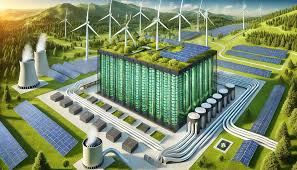
In a world increasingly driven by data and decarbonization, the convergence of artificial intelligence (AI) and the global energy transition is revolutionizing how we design, build, and power real estate—especially data centers. As demand for AI computing surges and sustainability becomes a central pillar in infrastructure planning, real estate developers and energy strategists are being forced to rethink everything from location selection to energy sourcing.


The AI Boom: Fueling Demand for High-Performance Data Centers

The rise of generative AI, machine learning models, and real-time data analytics has triggered explosive growth in computing power requirements. AI workloads, especially those involving large language models (LLMs) and neural networks, are resource-hungry—requiring powerful GPUs, massive storage, and ultra-fast connectivity.

How AI Growth and the Energy Transition Are Transforming Data Centers and Real Estate Energy Infrastructure

Key Stats:

  • According to a 2025 report by McKinsey, AI computing demand is projected to grow by 30% annually through 2030.
  • A single AI data center can consume up to 50x more power than a traditional data center from just five years ago.

Real Estate Implications:

  1. Site Selection Driven by Energy Access: Proximity to renewable energy sources, grid capacity, and cooling options are now major factors in site acquisition.
  2. Edge Data Centers Expansion: As AI models are deployed closer to users for real-time processing (edge computing), real estate developers are building smaller, distributed facilities in urban and suburban markets.
  3. Higher Heat Loads = Redesign Needs: Cooling infrastructure has become a critical design consideration, with many facilities adopting liquid cooling systems and immersion cooling technologies.

Energy Transition: Greening the Power Behind the Compute

While AI drives higher energy demand, the global push for decarbonization is forcing data centers—and the real estate that houses them—to transition to cleaner energy sources. Energy-intensive industries are under increasing pressure to meet net-zero goals, align with ESG mandates, and reduce carbon footprints.

Green Energy Trends Influencing Data Center Real Estate:

  • Onsite Renewables: Solar panels, battery storage, and wind turbines are being integrated into new data center campuses.
  • Power Purchase Agreements (PPAs): Operators sign long-term renewable energy contracts to lock in clean electricity and hedge against volatile fossil fuel prices.
  • Grid Interactivity: Advanced data centers are participating in demand response programs, using AI to modulate energy consumption based on grid signals.

Infrastructure Upgrades:

  1. Microgrids and Battery Storage: Facilities are being designed with microgrids to ensure energy resilience, combining renewable generation with energy storage systems.
  2. Hydrogen & Alternative Fuels: Some forward-thinking developers are piloting green hydrogen fuel cells as a zero-emissions backup power alternative to diesel generators.
  3. Smart Grids: Data centers are becoming “prosumers,” capable of both consuming and contributing energy to the grid, thanks to AI-enabled energy management systems.

The Real Estate Sector’s New Role in Energy Infrastructure

The line between real estate development and energy infrastructure is blurring. Today, data center campuses are not just tenants of the grid—they are active participants in the energy ecosystem.

What This Means for Real Estate Developers and Investors:

  • Energy Literacy Is Essential: Stakeholders must understand energy markets, regulatory frameworks, and green financing mechanisms.
  • Higher Capital Costs, Greater ROI: While integrating renewable infrastructure and AI capabilities can increase upfront costs, they also boost property value and long-term returns.
  • Sustainability as a Selling Point: Tenants and hyperscalers increasingly prioritize sustainability, making green-powered facilities more attractive and competitive.
How AI Growth and the Energy Transition Are Transforming Data Centers and Real Estate Energy Infrastructure

Challenges and Opportunities Ahead

While the convergence of AI and clean energy opens up exciting opportunities, it also presents complex challenges:

Challenges:

  • Grid Strain: Local utilities may struggle to keep up with massive energy loads demanded by AI data centers.
  • Land Availability: Finding suitable land near renewable sources, fiber networks, and talent pools is increasingly difficult.
  • Regulatory Hurdles: Energy infrastructure upgrades are often delayed by zoning laws, permitting, and community opposition.

Opportunities:

  • Retrofit Potential: Older commercial buildings can be retrofitted to house edge data centers or support renewable microgrids.
  • Tech Innovation: Breakthroughs in energy-efficient AI chips and advanced cooling methods will reduce environmental impacts.
  • Public-Private Partnerships: Collaborations between developers, tech companies, and governments can fast-track grid modernization and sustainable development.

A Pivotal Moment for Real Estate, AI, and Energy

The intersection of AI growth and the energy transition is redefining the future of real estate infrastructure—especially in the realm of data centers. Developers who embrace this convergence and prioritize sustainability, energy innovation, and digital transformation will lead the market in the coming decade.

In this new era, real estate isn’t just about location—it’s about energy, efficiency, and intelligent infrastructure.

How AI Growth and the Energy Transition Are Transforming Data Centers and Real Estate Energy Infrastructure

Are you a developer, investor, or stakeholder in real estate? Now is the time to rethink your energy strategy. Explore how AI and sustainable energy infrastructure can unlock new value for your properties. Let’s build the intelligent, green infrastructure of tomorrow—today.


Why Kenyan Architects Must Rethink Design: A Call for Creativity to Meet Global Real Estate Demands
CategoriesArchitects Development Investment Real Estate tips & tricks

Why Kenyan Architects Must Rethink Design: A Call for Creativity to Meet Global Real Estate Demands

Why Kenyan Architects Must Rethink Design: A Call for Creativity to Meet Global Real Estate Demands

Introduction:

Kenya’s real estate sector is rapidly evolving. From Nairobi’s growing skyline to coastal developments in Diani and Kilifi, the demand for modern, functional, and globally appealing spaces is rising. Yet, many architects continue to cling to outdated models, failing to reflect the innovation, sustainability, and aesthetic diversity required in today’s global market.

This blog is a call to action—an appeal for Kenyan architects to dig deeper, think wider, and design smarter.

The World is Watching: Global Appeal Begins with Local Design

We are living in a global village where investors, tourists, and potential homeowners from around the world are looking at Kenya as a real estate investment destination. From luxurious holiday homes in Naivasha to business hubs in Nairobi’s Upper Hill, global buyers want designs that resonate with international standards—without losing local authenticity.

Ask yourself: Are our buildings speaking the language of innovation, sustainability, and functionality?

Design is More Than Walls—It’s Experience

Modern architecture goes beyond aesthetics. It’s about how a space feels, flows, and functions. Today’s buyers want homes and offices that are energy-efficient, smart-enabled, environmentally conscious, and beautifully curated.

But many local designs still rely heavily on old colonial templates or standard brick-and-mortar blueprints with little attention to user experience, space optimization, or climate-responsive structures.

Architects need to create spaces that:

  • Invite natural light
  • Maximize ventilation
  • Embrace minimalism and flexibility
  • Are tailored for multi-use or hybrid lifestyles (work-from-home ready, for example)

Sustainability is No Longer Optional

With the world focusing on climate change, green architecture is now a requirement, not a trend. Globally, architects are incorporating solar panels, rainwater harvesting systems, green roofs, and recyclable materials into their blueprints.

Yet, in Kenya, how many new developments boast these features by default?

Kenyan architects need to take the lead in educating clients and pushing for eco-conscious designs that not only save the planet but reduce long-term costs.

Kenya’s Rich Culture Is Our Creative Superpower

We have 47 counties, hundreds of ethnic communities, and a treasure trove of cultural heritage. Why not tap into this richness for architectural inspiration?

From Swahili coastal arches, Maasai-themed lodges, to Kikuyu-style courtyards, Kenyan architects can reimagine traditional elements with a modern twist to stand out globally.

Why Kenyan Architects Must Rethink Design: A Call for Creativity to Meet Global Real Estate Demands

Afrofuturism, biophilic design, and cultural minimalism are rising trends—and Kenya can be a leader if we learn to merge the past with the future.

Technology is a Tool, Not a Threat

Globally, architects are using AI, BIM (Building Information Modeling), AR/VR for client presentations, and parametric design software to push boundaries. Kenyan firms must embrace these tools to improve efficiency, accuracy, and visual storytelling.

Imagine showing your client a virtual walkthrough of their future home with landscaping and furniture before laying the first stone. That’s not a fantasy—it’s the present elsewhere.

Client Expectations Have Changed

Today’s client is informed, exposed, and aspirational. Thanks to Instagram, Pinterest, and real estate reality shows, people want homes that are bold, personalized, and lifestyle-driven.

Why Kenyan Architects Must Rethink Design: A Call for Creativity to Meet Global Real Estate Demands

Cookie-cutter apartments and outdated office blocks won’t impress anymore. Creative architectural expression is now a differentiator in the competitive Kenyan real estate market.

It’s Time to Challenge the Norm

Kenyan architects need to stop designing “what the market is used to” and start designing “what the market needs.” That means:

  • Collaborating with interior designers early on
  • Challenging developers to go beyond basics
  • Pitching daring ideas confidently
  • Keeping up with international design expos, journals, and platforms

Innovation doesn’t start with a trend—it starts with a challenge.

Final Thoughts: Be Bold, Be Brave, Be Global

Kenya’s real estate is not just for Kenyans—it’s for the world. Our cities are evolving, our coastlines are expanding, and our communities are growing. If our architects don’t evolve too, we risk missing out on a golden opportunity to lead in African architecture and design.

Why Kenyan Architects Must Rethink Design: A Call for Creativity to Meet Global Real Estate Demands

Let’s rise to the occasion. Let’s build homes, commercial spaces, and public structures that the world admires—and more importantly, wants to be a part of.


Are you an architect, developer, or real estate enthusiast? Share your thoughts in the comments below! What do you think Kenyan architects need to change most? Tag a creative mind who needs to see this post.

The Importance of Sustainable Mixed-Use Developments in Kenya Today
CategoriesDevelopment Investment Real Estate tips & tricks

The Importance of Sustainable Mixed-Use Developments in Kenya Today

The Importance of Sustainable Mixed-Use Developments in Kenya Today


Kenya, just like many developing nations, stands at the crossroads of rapid urbanization, environmental challenges, and evolving economic needs. With the population expected to exceed 60 million by 2030 and the continued rural-to-urban migration, urban centres like Nairobi, Mombasa, Kisumu, Nakuru, and Eldoret are under pressure to provide adequate housing, infrastructure, and services. This rapid growth is accompanied by challenges including land scarcity, urban sprawl, rising living costs, environmental degradation, and traffic congestion.

In the face of these challenges, sustainable mixed-use developments (MXDs) have emerged as one of the most promising urban planning solutions. These developments integrate residential, commercial, retail, recreational, and sometimes industrial functions into a single, cohesive space; offering long-term benefits to residents, investors, developers, and governments.


  1. What Are Sustainable Mixed-Use Developments?

A mixed-use development combines two or more uses—such as residential, office, commercial, recreational, or institutional—in one area or building. When we add “sustainable” to the concept, it includes principles such as:

  • Energy efficiency
  • Environmental protection
  • Social inclusiveness
  • Economic viability
  • Smart land use and transportation planning

Sustainable MXDs focus on long-term value creation for both people and the planet, ensuring developments minimize negative environmental impact while maximizing quality of life.

2. Why Kenya Needs Sustainable MXDs Now More Than Ever

2.1 Rapid Urbanization and Population Growth

According to the World Bank, Kenya’s urban population is growing at over 4% annually. Nairobi alone adds over 500,000 new residents every year. As more people move to cities, there is increasing demand for housing, jobs, infrastructure, and social services. Conventional mono-functional developments cannot sustainably meet this demand.

Sustainable mixed-use developments:

  • Accommodate diverse populations within compact footprints
  • Reduce land pressure by vertically integrating uses
  • Create dynamic urban environments that grow with population demands
2.2 Land Scarcity and High Urban Land Costs

Urban land in Kenya—especially in Nairobi and other tier-one cities—has become extremely expensive. As a result, sprawl has pushed low- and middle-income earners to the outskirts of cities, leading to long commutes and loss of productivity.

MXDs maximize land use by integrating multiple functions into a limited area, increasing land productivity and economic return per square meter.

2.3 Infrastructure Efficiency

Developing infrastructure—roads, water, electricity, drainage—is expensive and time-consuming. By concentrating developments, MXDs:

  • Reduce infrastructure development costs per capita
  • Enable efficient energy and water management systems
  • Lower operational and maintenance costs

For example, a centralized water recycling system in a mixed-use estate is far more cost-effective than replicating systems for separate residential and commercial zones.

3. Economic Benefits of Mixed-Use Developments

3.1 Attracting Investment and Boosting Local Economies

Well-planned MXDs attract:

  • Real estate investors seeking diversified income streams
  • Retail businesses targeting ready consumer bases
  • SMEs and startups looking for accessible, affordable spaces

By creating mini-economies, MXDs generate jobs, reduce youth unemployment, and enhance the vibrancy of surrounding communities.

3.2 Higher ROI for Developers

Sustainable mixed-use developments offer:

  • Diverse revenue streams: rent/sale of residential units, office space, retail shops
  • Reduced risk exposure
  • Higher property appreciation due to convenience and demand

Kenya’s Two Rivers Development, Garden City, and Tatu City are prime examples of large-scale MXDs that have generated substantial long-term returns.

3.3 Support for the Informal Sector

Kenya’s informal sector contributes over 80% of employment. MXDs that integrate formal and informal commercial spaces empower hawkers, artisans, and service providers—fostering inclusive economic growth.

4. Environmental Sustainability and Climate Change Resilience

4.1 Reduced Carbon Emissions

With integrated design, MXDs:

  • Reduce dependence on long commutes
  • Promote walkability and cycling
  • Encourage public transport use

This directly reduces transport-related greenhouse gas emissions, which contribute significantly to Kenya’s urban pollution.

4.2 Energy Efficiency

Sustainable buildings within MXDs often use:

  • Solar panels
  • LED lighting
  • Passive ventilation and cooling
  • Smart metering systems

These reduce reliance on the national grid and support Kenya’s goal to transition to clean, renewable energy sources.

4.3 Green Infrastructure

Modern MXDs embrace green building certifications (like EDGE or LEED) and integrate:

  • Green spaces and rooftop gardens
  • Stormwater harvesting
  • Biodiversity conservation

Such features support Kenya’s climate goals under Vision 2030 and its obligations under the Paris Climate Agreement.

5. Social Integration and Improved Quality of Life

5.1 Inclusive and Integrated Communities

MXDs break traditional zoning barriers that segregate income levels and land uses. By offering a mix of housing types, they accommodate:

  • Young professionals
  • Middle-income families
  • Senior citizens
  • Affordable housing for low-income earners

This fosters social cohesion, inclusivity, and a stronger sense of community.

5.2 Better Access to Services

Living close to work, school, healthcare, shops, gyms, and recreation reduces:

  • Time spent commuting
  • Transport costs
  • Stress and fatigue

This translates to better mental and physical health, more family time, and higher productivity.

5.3 Safety and Security

MXDs tend to be more secure due to:

  • Controlled access points
  • 24/7 activity levels
  • Mixed demographics that increase surveillance and social control

Urban environments where “eyes are always on the street” are naturally safer.

6. Reducing Urban Sprawl

Sprawl in Kenya has led to:

  • Unregulated settlements
  • Encroachment on agricultural land
  • High transport and infrastructure costs

MXDs promote compact development, thereby conserving land and reducing ecological footprints. This aligns with Nairobi County’s Integrated Urban Development Master Plan (NIUPLAN), which aims to densify development along transit corridors.

7. Catalyzing Urban Regeneration and Smart Cities

7.1 Urban Renewal

Old, underutilized spaces in towns can be revitalized through sustainable MXDs. Instead of building on greenfield land, cities can repurpose:

  • Abandoned warehouses
  • Underused government land
  • Former industrial zones

This promotes brownfield redevelopment and avoids displacing vulnerable communities.

7.2 Smart City Integration

MXDs are ideal platforms for smart city solutions, such as:

  • IoT-based utilities management
  • Smart waste systems
  • Integrated security and surveillance
  • Digital connectivity for businesses and homes

Tatu City and Konza Technopolis are pioneering examples of smart, sustainable mixed-use cities in Kenya.

8. Policy Alignment and Support

Kenya’s policy landscape increasingly supports sustainable urban planning:

  • Vision 2030 promotes urban development that balances economic growth and environmental sustainability.
  • The Physical and Land Use Planning Act (2019) supports integrated development.
  • The Kenya Green Building Society (KGBS) encourages green building certifications.
  • Affordable Housing Program (Big 4 Agenda) supports mixed-use housing models that integrate affordability and inclusiveness.

Developers who align with these policies not only benefit from incentives but also gain trust from citizens and regulators.

9. Successful Examples of MXDs in Kenya

9.1 Garden City Nairobi

Combining a shopping mall, residential apartments, office space, and green zones, Garden City promotes walkability, smart water usage, and energy conservation. It’s EDGE-certified and one of Kenya’s first major green MXDs.

9.2 Tatu City

Set on 5,000 acres, Tatu City is Kenya’s largest mixed-use, master-planned development. It features industrial parks, schools, homes, hospitals, and recreation—creating a complete city within Nairobi’s outskirts.

9.3 Two Rivers Development

A high-end, smart, mixed-use development that incorporates luxury apartments, hotels, retail, and entertainment—all connected through advanced infrastructure and sustainable urban design.

10. Challenges and How to Overcome Them

10.1 High Initial Costs

Sustainable MXDs require significant capital. However, with:

  • Strategic public-private partnerships (PPPs)
  • Long-term investment plans
  • Green finance options (like climate bonds and sustainability-linked loans)

…the upfront costs can be offset by long-term economic and environmental returns.

10.2 Regulatory Hurdles

Complex land laws and slow approval processes deter MXD implementation. To overcome this:

  • Counties need to streamline planning approval processes
  • Provide incentives for green-certified developments
  • Empower urban planning departments with capacity and digital tools
10.3 Social Resistance

In some cases, locals resist integrated development due to fear of gentrification or cultural loss. Developers must:

  • Engage communities early
  • Ensure affordability
  • Incorporate cultural and recreational facilities


The future of Kenya’s urban development lies in smart, inclusive, and sustainable mixed-use communities. These developments offer a viable response to the country’s mounting urban, environmental, and economic challenges. From decongesting cities and cutting emissions to enhancing quality of life and promoting inclusive growth—MXDs tick all the right boxes.

As Kenya builds towards a more prosperous and resilient future, stakeholders—from national and county governments to private developers, architects, and community leaders—must prioritize sustainable mixed-use developments. They’re not just good for business—they’re essential for the country’s long-term wellbeing.


Whether you’re a real estate developer, investor, or simply looking to move into a self-contained, eco-friendly community, this is the perfect time to explore Kenya’s sustainable MXD landscape.

Reach out to our team today for expert consultation, investment opportunities, and project collaboration.

CategoriesDevelopment Investment Real Estate tips & tricks

Why Rongai is the Smartest Place to Invest in Land Right Now

Why Rongai is the Smartest Place to Invest in Land Right Now

If you’ve been scouting around Nairobi and its outskirts for the next hot investment zone, it’s time to zoom in on a place that’s been quietly transforming into a goldmine—Rongai. Yes, that Rongai. Often referred to as “Diaspora ndani ya Nairobi,” Rongai has shed its old skin and is now becoming one of the most promising areas for land investment in Kenya today.

Let reason together why now is the best time to get in before prices catch up with the hype.


Explosive Development and Infrastructure Growth

You can’t talk about Rongai without mentioning the ongoing infrastructure developments. The roads? Upgraded. The drainage? Improving. The connectivity to Nairobi CBD, Westlands, and Ngong Road? Smoother than it has ever been.

The recently expanded Magadi Road and the proposed Southern Bypass connection are easing traffic, making Rongai feel much closer to Nairobi than ever before. What used to be an hour-long drive is now a much more manageable commute, depending on the time of day. With the Nairobi express way also has really boost the accessibility of Rongai making it the real game changer to invest in especially in land.

More infrastructure = more accessibility = land appreciation. Simple math.

Affordable Land with Sky-High Potential

Compared to areas like Karen, Ngong, or Syokimau, Rongai still offers relatively affordable land prices. That’s the secret weapon. You can get prime plots (residential or commercial) at prices that still make sense—even for first-time investors.

But here’s the thing: land prices in Rongai have been steadily rising, year after year. So if you buy now, you’re not just getting land—you’re buying growth, equity, and future returns. It might look like a hype but this is the real story of the matter. Rongai still offers affordability than any other town closer to CBD. By investing now, its like you are putting your money into ‘Money Market’ with your own control power which will be a great harvest in the next few years. If this is convincing in your mind; talk to us to get you the best affordable investment land in Rongai.


Booming Commercial and Residential Demand

Walk through Rongai and you’ll notice something interesting—everywhere you look, apartments, shopping centres, schools, and hospitals are going up.

From established supermarkets like Naivas and Carrefour, to fast-growing estates and student hostels catering to nearby universities like Africa Nazarene and Multimedia University, the demand for housing and commercial space is exploding.

So whether you’re looking to:

  • Build rental units for passive income
  • Flip land in a few years
  • Develop commercial properties

Rongai gives you that flexibility.

Still Green, Still Scenic

Here’s a fun twist—despite the rapid development, Rongai hasn’t lost its charm. You still get that relaxed, suburban feel with views of Ngong Hills, fresh air, and open skies.

For people looking to move away from the congestion of Nairobi without sacrificing urban convenience, Rongai offers the perfect middle ground.

This has created a new wave of homeowners and developers targeting the area for gated communities, Airbnb homes, eco-resorts, and even retirement homes.

With this combination of eco-system that suits all status and class of people, Rongai has accommodated different kind of people coming from different tribes and community; making this area an exploration zone where you get to learn different culture and traditions in one stop.

Social Amenities Are On Point

Rongai is no longer the “far off town” people joked about a decade ago. It’s now a self-sufficient satellite town with:

  • Modern hospitals (like Aga Khan Clinics & Olekasasi Health Centre)
  • Top private and public schools
  • Banks, malls, gyms, cafés—you name it

Investors are capitalizing on this ecosystem by building within walking distance of these amenities. Whether it’s for rentals or resale, this convenience adds significant value to your land. The more amenities around your land, the more value added to your land each year.


High ROI & Future-Proofing

The real estate rule of thumb is this: follow the infrastructure and population growth, and you’ll find profit. Rongai ticks both boxes. And the trend isn’t slowing down anytime soon.

As the Nairobi Metropolitan expands westward, areas like Rongai will no longer be on the “outskirts”—they’ll be part of the greater city core. That’s when land you bought today for six figures could easily triple or quadruple in value.

Don’t Wait to Buy Land in Rongai—Buy Land in Rongai and Wait

If you’re serious about building long-term wealth, land remains the most secure and appreciating asset. And Rongai? It’s one of the last few areas close to Nairobi where you can still find untapped potential at reasonable prices.

So whether you’re a seasoned investor or just starting out—Rongai should be at the top of your list.

Looking for verified plots in Rongai? We’ve got prime listings, clean titles, and flexible payment plans. Reach out today and take the first step toward owning a piece of the future.


CategoriesAirbnb Development Investment Real Estate tips & tricks

How Government Affordable Housing Projects Are Reshaping Kenya’s Private Real Estate Sector

How Government Affordable Housing Projects Are Reshaping Kenya’s Private Real Estate Sector

Introduction

In recent years, Kenya’s government has ramped up its affordable housing agenda with bold promises and ambitious targets. Branded under the Big Four Agenda and now continued under the Bottom-Up Economic Transformation Agenda (BETA), the push to build at least 200,000 affordable housing units annually has stirred a mix of excitement, hope, and concern across the housing market.

How Government Affordable Housing Projects Are Reshaping Kenya’s Private Real Estate Sector

But while prospective homeowners may be celebrating the promise of lower-cost homes, private real estate developers are navigating a transformed—and at times turbulent—market landscape. So, how exactly are these government initiatives affecting private developers in Kenya?

The Shift in Demand: Competing for the Same Buyer

One of the most immediate effects of the government’s affordable housing initiative has been a shift in buyer attention. With the government offering units at prices significantly below the market average—often with mortgage options facilitated by the Kenya Mortgage Refinance Company (KMRC)—many middle- and low-income Kenyans are choosing government-built houses over private sector options.

How Government Affordable Housing Projects Are Reshaping Kenya’s Private Real Estate Sector

For example, some government units in Nairobi are being offered at prices starting from KES 1 million, while similar private units in satellite towns often go for double or even triple that amount.

This price disparity has left private developers in the low- to mid-income bracket struggling to compete on cost without compromising quality or profit margins.

Land Prices and Access Becoming Competitive

Government projects are typically built on public land or land acquired under special development mandates, giving them a cost advantage. For private developers, access to affordable land in urban and peri-urban areas remains a challenge, as land prices continue to soar.

In response, some private firms are moving farther from city centers or exploring joint ventures with county governments and landowners. Others are shifting focus to niche markets such as student housing, senior living, or luxury apartments—segments less likely to be affected by government competition.

Partnerships and PPP Opportunities: A Silver Lining

It’s not all friction. Several private developers have found opportunities by aligning with the government’s housing agenda through Public-Private Partnerships (PPPs). These arrangements allow developers to work on government-sanctioned land, access incentives like tax breaks, and build housing units at scale with guaranteed uptake.

Notable examples include partnerships seen in Nairobi’s Pangani and Shauri Moyo estates, where private firms are working with Nairobi City County under redevelopment and housing expansion frameworks.

For developers willing to collaborate, these partnerships could offer a stable and scalable revenue stream in a volatile market.

Policy and Regulatory Pressure

The government’s push for affordable housing has also brought increased scrutiny and regulatory changes in the real estate sector. Proposals such as the Affordable Housing Levy (initially set at 1.5% of gross monthly income) have stirred debate, with many private developers questioning how the levy will be used and whether it places an unfair burden on formal sector workers and businesses.

While these policies aim to fund mass housing projects, they also create uncertainties that private developers must now factor into their long-term planning and pricing strategies.

Innovation and Differentiation: A Necessary Pivot

To remain competitive, many private developers are now embracing innovation. From modular construction and green building technologies to flexible payment plans and community-focused amenities, the private sector is finding ways to stand out.

Companies are also leaning into digital marketing, virtual tours, and data-driven customer engagement to enhance their value proposition in a market where cost is no longer the only driver.

By focusing on lifestyle, location, and long-term value, private developers can offer something that mass government housing projects often cannot: personalization and community-centric design.

Adapting to a New Housing Ecosystem

The government’s affordable housing drive is undeniably reshaping Kenya’s real estate landscape. For private developers, the shift presents both challenges and opportunities. Those who can adapt—through collaboration, innovation, and a deep understanding of market needs—are likely to thrive even amid increased competition.

As with any industry transformation, survival and success will favor those who embrace change, rather than resist it. The question isn’t whether the government’s housing program will affect private developers—it already has. The real question is: how will you respond?

What Do You Think?

Are you a developer, investor, or homebuyer navigating these changes? We’d love to hear your thoughts.