CategoriesAirbnb Development Investment Real Estate tips & tricks

How to Become a Successful Airbnb Host in Kenya in 2026 (Expert Tips for High Bookings)

How to Become a Successful Airbnb Host in Kenya in 2026 (Expert Tips for High Bookings)  

Introduction 

Kenya’s Airbnb market continues to surge in 2026 — from bustling city apartments in Nairobi to tropical escapes along the coast. More travelers are turning to Airbnbs for affordable, authentic experiences. Whether you own a city studio or a beachfront villa, you can turn your space into a steady income source with the right hosting strategies.

In this post, we share step-by-step tips on how to become a successful Airbnb host in Kenya in 2026, optimized for both Google visibility and guest satisfaction.

1. Research and Understand the Airbnb Market in Kenya (2026 Outlook)

Before listing, study your target audience. Kenya’s Airbnb guests range from international tourists to local digital nomads and event travelers.

Top Performing Locations

  • Nairobi:City apartments and serviced lofts
  • Mombasa, Diani, and Watamu:Beachfront stays
  • Naivasha and Nanyuki:Cottages and nature escapes
  • Kisumu:Business and cultural travelers

2. Design a Guest-Ready Space That Feels Like Home

Your Airbnb’s design and comfort directly affect guest reviews.

Must-Have Features

  • Reliable Wi-Fi
  • Comfortable bedding
  • Backup power (solar or inverter)
  • Spotless cleanliness
  • Kitchen essentials

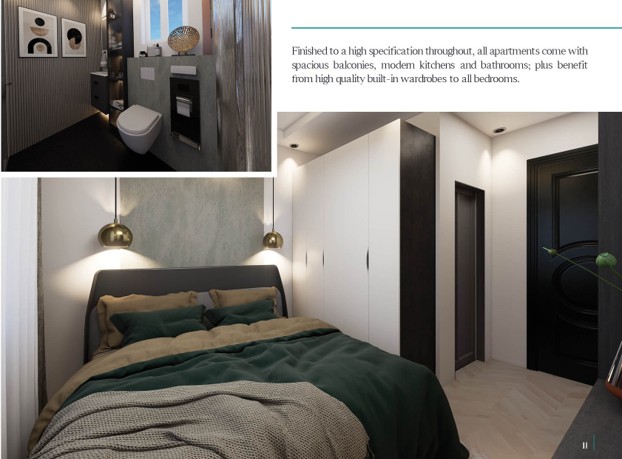
Consider infusing Kenyan charm — hang local art, provide Kenyan tea and coffee, or decorate with coastal or Maasai influences.

Pro Tip: Guests love unique spaces. Add a cozy reading nook, a garden lounge, or balcony hammocks for extra appeal.

3. Use Smart Pricing for More Bookings

Your pricing determines visibility on Airbnb search results.

Smart Pricing Strategies

  • Use Airbnb’s Smart Pricingto analyze market trends.
  • Offer long-stay discounts(7+ nights).
  • Adjust prices seasonally— for holidays or events.
  • Compare your location’s similar listings using the “View ranking” feature.


4. Optimize Your Listing for Google and Airbnb SEO

An optimized Airbnb listing helps both the Airbnb algorithm and Google users find you.

Checklist for SEO optimization:

  • Use clear, keyword-rich titles:
    “Charming Studio Apartment in Nairobi, Near Westlands — Free Wi-Fi + Parking”
  • Upload 12+ high-quality photos(interior, views, amenities).
  • Write detailed descriptionsanswering who, what, and where.
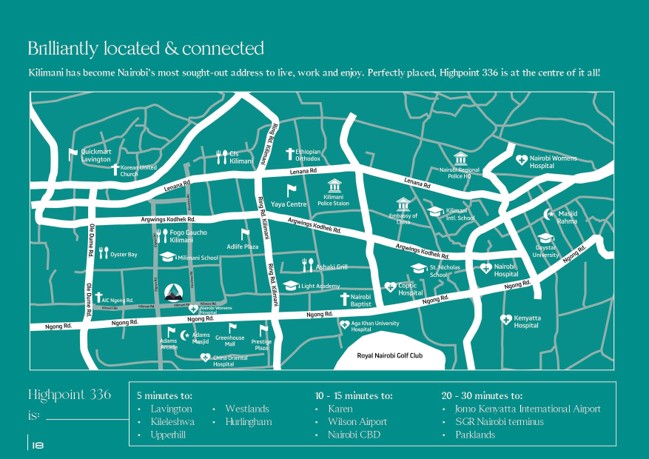
  • Highlight proximity to attractions(CBD, beach, safari park).

Bonus Tip: Use the first 3 lines of your description wisely — they determine if someone clicks “read more.”

5. Deliver a World-Class Guest Experience

Excellent reviews build credibility and attract future bookings.

Guest Experience Tips:

  • Respond quickly to inquiries.
  • Provide self-check-inoptions (smart locks or key boxes).
  • Offer welcome packageswith snacks or local souvenirs.
  • Check in mid-stay to ask if guests need anything.
  • Leave a “thank you” note or discount coupon for returning guests.

Goal: Maintain a minimum 4.8-star rating to rank higher on Airbnb’s search listings.

6. Market Your Airbnb Beyond the Platform

In 2026, hosts who rely solely on Airbnb will miss out on a huge online audience.

Smart Marketing Channels

  • Create Instagram, YouTube, or TikTok pages to showcase your space.
  • Collaborate with Kenyan travel influencersor vloggers.
  • List on Travelstart Kenya, com, or Google My Business.
  • Encourage guests to share their stay using hashtags like #AirbnbKenyaor #NairobiStaycation.

7. Stay Legally Compliant and Professional

Running a compliant Airbnb builds credibility and protects you legally.

Legal Requirements in Kenya

  • Register your business with eCitizenif renting multiple units.
  • Obtain county operating licenses(especially in Nairobi or Mombasa).
  • Pay KRA taxes, including Digital Service Tax (DST).
  • Follow estate or apartment complex hosting rules.

Tip: Keep digital copies of all compliance documents to show guests your professionalism if asked.

8. Embrace Smart Tech and Sustainability

By 2026, guests increasingly appreciate eco-friendly and tech-driven Airbnbs.

Add-ons That Increase Bookings

  • Smart thermostats or locks
  • Energy-saving bulbs and solar lighting
  • Waste recycling bins
  • Inverter backup systems

These updates enhance comfort, reduce costs, and appeal to eco-conscious travelers.

9. Offer Unique Local Experiences

Stand out on Airbnb by offering experiences.

  • Guided Nairobi food tours
  • Safari day packagesto Amboseli or Nairobi National Park
  • Swahili cooking classes
  • Coffee farm toursor handicraft workshops

Such experiences increase your income and give guests memorable stories to tell (which means free marketing through word-of-mouth and social media posts).

10. Drive Repeat Bookings and Build Loyalty

Returning guests are your best marketing tool.

How to Foster Repeat Guests

  • Offer discounts or loyalty codes.
  • Send personalized “thank you” follow-up emails.
  • Keep guest preferences noted (e.g., favorite snacks, pillow type).
  • Encourage reviews with gentle, friendly reminders.

The more repeat guests you have, the higher your listing ranks — both on Airbnb and Google.


Becoming a successful Airbnb host in Kenya in 2026 takes preparation, creativity, and consistent excellence. Combine professionalism, authentic hospitality, and strong SEO optimization, and you’ll see your bookings soar.

As tourism rebounds and local travel thrives, this is your moment to turn your space into a profitable, well-loved destination.

CategoriesAirbnb Development Investment Real Estate tips & tricks

How Government Affordable Housing Projects Are Reshaping Kenya’s Private Real Estate Sector

How Government Affordable Housing Projects Are Reshaping Kenya’s Private Real Estate Sector

Introduction

In recent years, Kenya’s government has ramped up its affordable housing agenda with bold promises and ambitious targets. Branded under the Big Four Agenda and now continued under the Bottom-Up Economic Transformation Agenda (BETA), the push to build at least 200,000 affordable housing units annually has stirred a mix of excitement, hope, and concern across the housing market.

How Government Affordable Housing Projects Are Reshaping Kenya’s Private Real Estate Sector

But while prospective homeowners may be celebrating the promise of lower-cost homes, private real estate developers are navigating a transformed—and at times turbulent—market landscape. So, how exactly are these government initiatives affecting private developers in Kenya?

The Shift in Demand: Competing for the Same Buyer

One of the most immediate effects of the government’s affordable housing initiative has been a shift in buyer attention. With the government offering units at prices significantly below the market average—often with mortgage options facilitated by the Kenya Mortgage Refinance Company (KMRC)—many middle- and low-income Kenyans are choosing government-built houses over private sector options.

How Government Affordable Housing Projects Are Reshaping Kenya’s Private Real Estate Sector

For example, some government units in Nairobi are being offered at prices starting from KES 1 million, while similar private units in satellite towns often go for double or even triple that amount.

This price disparity has left private developers in the low- to mid-income bracket struggling to compete on cost without compromising quality or profit margins.

Land Prices and Access Becoming Competitive

Government projects are typically built on public land or land acquired under special development mandates, giving them a cost advantage. For private developers, access to affordable land in urban and peri-urban areas remains a challenge, as land prices continue to soar.

In response, some private firms are moving farther from city centers or exploring joint ventures with county governments and landowners. Others are shifting focus to niche markets such as student housing, senior living, or luxury apartments—segments less likely to be affected by government competition.

Partnerships and PPP Opportunities: A Silver Lining

It’s not all friction. Several private developers have found opportunities by aligning with the government’s housing agenda through Public-Private Partnerships (PPPs). These arrangements allow developers to work on government-sanctioned land, access incentives like tax breaks, and build housing units at scale with guaranteed uptake.

Notable examples include partnerships seen in Nairobi’s Pangani and Shauri Moyo estates, where private firms are working with Nairobi City County under redevelopment and housing expansion frameworks.

For developers willing to collaborate, these partnerships could offer a stable and scalable revenue stream in a volatile market.

Policy and Regulatory Pressure

The government’s push for affordable housing has also brought increased scrutiny and regulatory changes in the real estate sector. Proposals such as the Affordable Housing Levy (initially set at 1.5% of gross monthly income) have stirred debate, with many private developers questioning how the levy will be used and whether it places an unfair burden on formal sector workers and businesses.

While these policies aim to fund mass housing projects, they also create uncertainties that private developers must now factor into their long-term planning and pricing strategies.

Innovation and Differentiation: A Necessary Pivot

To remain competitive, many private developers are now embracing innovation. From modular construction and green building technologies to flexible payment plans and community-focused amenities, the private sector is finding ways to stand out.

Companies are also leaning into digital marketing, virtual tours, and data-driven customer engagement to enhance their value proposition in a market where cost is no longer the only driver.

By focusing on lifestyle, location, and long-term value, private developers can offer something that mass government housing projects often cannot: personalization and community-centric design.

Adapting to a New Housing Ecosystem

The government’s affordable housing drive is undeniably reshaping Kenya’s real estate landscape. For private developers, the shift presents both challenges and opportunities. Those who can adapt—through collaboration, innovation, and a deep understanding of market needs—are likely to thrive even amid increased competition.

As with any industry transformation, survival and success will favor those who embrace change, rather than resist it. The question isn’t whether the government’s housing program will affect private developers—it already has. The real question is: how will you respond?

What Do You Think?

Are you a developer, investor, or homebuyer navigating these changes? We’d love to hear your thoughts.

CategoriesAirbnb Development Investment Real Estate tips & tricks

Why Everyone is Talking About Airbnb in Kenya’s Real Estate Scene (And Why You Should Too!)

If you’ve been paying attention to Kenya’s real estate market lately, you might have noticed a new buzzword that’s popping up everywhere: Airbnb.

Whether you’re in Nairobi, Mombasa, or even cozy little towns like Nanyuki, more and more people are asking — “Should I turn my house into an Airbnb?” or “Is Airbnb a good investment in Kenya?”

Without deep thinking: the answer is a BIG yes (if you do it right)!

Now lets converse about why Airbnb is blowing up in Kenya — and why smart property owners and investors are rushing to jump in. Note the key discussion points below but not limited to your observations;


1. You Can Make Way More Money with Airbnb!

Short-term rentals make more money than traditional long-term leases.

This is a very simple truth; lets look at few facts which am sure you can as well relate to our daily life routine. Example;

A two-bedroom apartment in Kilimani might rent for Ksh 70,000/month.
That SAME apartment on Airbnb? Charge Ksh 5,500 a night — and with just 20 bookings a month, you’re making Ksh 110,000! This is just on a very normal economical events.

You Can Make Way More Money with Airbnb!

Even after paying for cleaning and hosting fees, you still walk away with a bigger paycheck.https://www.airbnb.com/kilimani-nairobi-kenya/stays


2. Kenya’s Tourism and Business Travel is Booming

Kenya is on fire — and not just because of the safaris!
Business events, tech conferences, remote workers, digital nomads… they’re ALL coming to Nairobi, Mombasa, Diani, Naivasha, and even Eldoret.

And guess what?
They all need comfy, stylish places to stay — and hotels just don’t cut it anymore.

Note: During the Africa Climate Summit, Airbnbs near KICC and Upperhill were fully booked for WEEKS! https://trific.co.ke/why-kenya/

KENYA IS THE BEST INVESTMENT HUB IN Africa

You know why; because everyone wants that comfy apartment which gives the client freedom and privacy.


3. Flexibility is the Name of the Game

One of the coolest things about Airbnb?
You’re the boss.

Want to rent it out only during the holiday season? You can.
Want to use it yourself whenever you feel like it? You can.
Want to adjust the price depending on demand? You can!

Example:
Someone with a home in Naivasha could rent it out during the World Rally Championship and chill the rest of the year.

Airbnb gives you a chance to be an entrepreneurs; giving a solution at a particular time when needed.


4. Infrastructure in Kenya is Getting BETTER Every Day

Remember when Syokimau was just bushland? Look at it now!
New roads, malls, bypasses, airports… Kenya’s growth is crazy fast. And that means even “outskirts” are now prime Airbnb spots.

Areas like Ruaka, Syokimau, and Kitengela are becoming Airbnb goldmines.


5. Travelers Want Experiences, Not Just Beds

Today’s traveler wants to live like a local — not just sleep in a hotel room.

That’s why they prefer cozy apartments, beautiful homes, unique stays — all the things Airbnb does so well.

Visitors in Lamu are ditching fancy resorts to stay in stunning, authentic Swahili-style houses on Airbnb.

Travelers Want Experiences, Not Just Beds

6. It’s Easier Than You Think to Start

You don’t need to quit your job or become a full-time landlord to succeed.

Platforms like Airbnb guide you step-by-step.
You can even hire property managers in Nairobi, Mombasa, or Diani to handle cleaning, check-ins, and messaging for you!

Imagine earning passive income while you sip a cold soda and Nyama choma.

Kenya’s real estate market is changing fast.
Don’t be left behind.
Start small, learn the ropes, and watch your Airbnb empire grow.


Thinking about starting? Drop your questions in the comments — let’s chat!