
Why Global Investors Should Choose PZ Developers Limited for Kenya Property Development
Global investors looking for growth beyond saturated Western markets should put Kenya’s property development sector, and PZ Developers Limited, on their shortlist in 2026. East Africa’s largest economy combines a chronic housing shortage, a young urbanising population, strong diaspora capital and a pipeline of national infrastructure. PZ Developers Limited is a Kenyan real estate company that turns those forces into well-located, legally sound developments.
Why Kenya, and why now: the 2026 market in numbers
Kenya builds roughly one home for every four or five it needs, and that gap is the core of the investment case. Industry analysis of Kenya National Bureau of Statistics data puts annual demand at about 260,000 units against fewer than 60,000 formal homes delivered, leaving a deficit above two million units (The Standard, Feb 2026).
What is driving demand in 2026
- A structural shortage. Real estate and construction contribute an estimated 8 to 9 per cent of GDP, and the shortfall is widening by about 200,000 homes a year (The Star, Jul 2026).
- Fast urbanisation. Legal practitioners at Garane & Somane Advocates cite urban growth of around 4.3 per cent a year (Chambers Real Estate 2026).
- Diaspora capital. Central Bank of Kenya data shows remittances above USD 5 billion over the 12 months to April 2026, and property is a favourite long-term destination for that money (BuyRentKenya).
- Government-backed housing. By mid-2025 more than 45,000 Affordable Housing Programme units were under construction across 37 counties through public-private partnerships, mortgage refinancing and the Housing Levy (The Star).
- Deeper capital markets. The market has moved beyond bank debt and off-plan cash buyers towards private equity and REITs (Citizen Digital, Jun 2026).
- Satellite-town growth. New roads, rail and industrial parks are pushing demand beyond Nairobi’s CBD into Kiambu, Machakos and Kajiado.

Where to invest: Kenya’s property corridors compared
Kenya is not one property market but several, each with a different return profile. Global investors usually blend a liquid, income-producing corridor with a higher-growth frontier.
| Corridor | Main demand drivers | Typical product | Suits an investor who wants |
|---|---|---|---|
| Nairobi core (Westlands, Kilimani, Lavington, Upper Hill) | Corporate, embassy and expatriate tenants; limited land | Apartments, serviced units, mixed-use | Rental income and liquidity |
| Nairobi satellite towns (Ruaka, Kiambu, Thika Road, Kitengela, Syokimau) | Middle-class home buyers moving out of the city; road and rail links | Gated maisonettes, townhouses, off-plan apartments | Mid-market growth and resale demand |
| Konza and Machakos | Technology and logistics growth around Konza Technopolis | Residential plots, staff housing | Medium-term capital growth |
| Mombasa and Kilifi | Tourism, port activity, holiday and retirement homes | Beachfront and holiday apartments, villas | Lifestyle ownership with rental upside |
| Lamu County | Lamu Port and the LAPSSET corridor | Land banking, planned residential and commercial plots | Early-stage, long-horizon capital growth |
The comparison is a general guide to market character, not a statement of PZ Developers’ current project list. Ask PZ for the live availability and the specific title status of any parcel or unit before you commit.
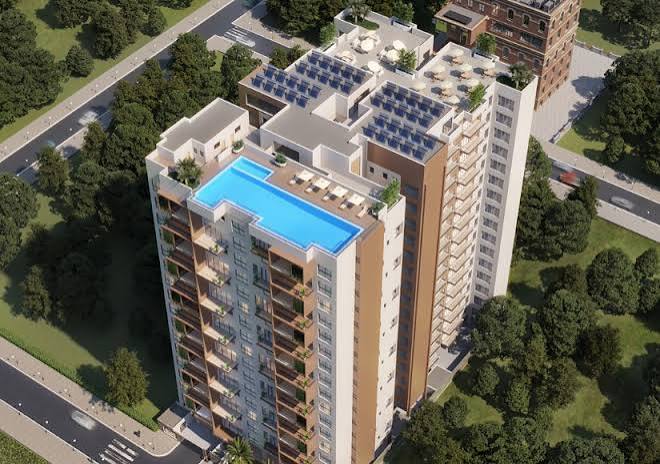
Seven reasons global investors should consider PZ Developers
- A local partner on the ground. Kenyan land and construction involve county approvals, surveyors, advocates and utilities. A resident developer manages these steps for you, so an overseas investor does not have to chase them from another time zone.
- Title and legal checks come first. Experienced Kenyan lawyers advise running an official search, confirming the seller’s identity and checking for caveats before any payment. PZ’s process is built around that sequence: search, verify, then transact.
- Compliance with Kenya’s foreign-ownership rules. Non-citizens hold land as leasehold of up to 99 years, and any foreign shareholding in a company brings it under the same limit. A developer who structures deals correctly from day one protects your title and your resale value.
- Exposure to growth corridors, not just one city. From Nairobi’s satellite towns to the coast and Lamu County, PZ gives you a way to diversify across markets with different risk and return profiles.
- Transparent pricing and staged payments. Off-plan buyers in Kenya face real risks around payment structures and delays. Clear schedules, written receipts and milestone-linked payments reduce that exposure.
- Built for remote investors. Digital viewings, video site updates, e-signed documents and local representation let you buy, monitor and manage from Dubai, London, Toronto or Johannesburg.
- A clear route to exit. Whether you sell a unit, subdivide land or rent a completed home, PZ’s team helps plan the exit from the start, including the capital gains and rental income tax position.
Spotlight: why Lamu County is becoming a frontier for real estate investment
Lamu County offers the rare chance to buy into an infrastructure-led growth story before it matures. The operation of Lamu Port is drawing local and non-local investors to the mainland, and developers say the port’s surroundings, especially Hindi and Mokowe, are emerging as viable residential and commercial locations (Kenya News Agency).
What is driving Lamu
- Lamu Port and the LAPSSET corridor. The port anchors a planned transport corridor linking Lamu with Garissa and northern Kenya, which is expected to support logistics, trade, industry and new urban centres.
- Water and services. LAPSSET has announced plans for a KSh 350 million desalination plant serving Mokowe and Hindi, which addresses one of the area’s main constraints (Kenya News Agency).
- Tourism and heritage. Lamu Old Town is a UNESCO World Heritage Site, which supports long-term demand for holiday and boutique hospitality property.
- Price history. Business Daily reported years ago that land near the corridor had almost tripled in value on speculation about the project (Business Daily). Past gains are not a guarantee of future ones.
What land costs today (asking prices, not sale prices)
| Listing near Lamu Port, Hindi | Size | Asking price |
|---|---|---|
| Prime investment land | 15 acres | KSh 2.7 million per acre |
| Tarmac and creek-front land | 2 acres | KSh 3.5 million per acre |
| Bora Imani, tarmac frontage and power | 7 acres | KSh 5 million per acre |
These are third-party agent listings from August to October 2026. Prices vary widely with road access, utilities and title type, so use them only to gauge the range.
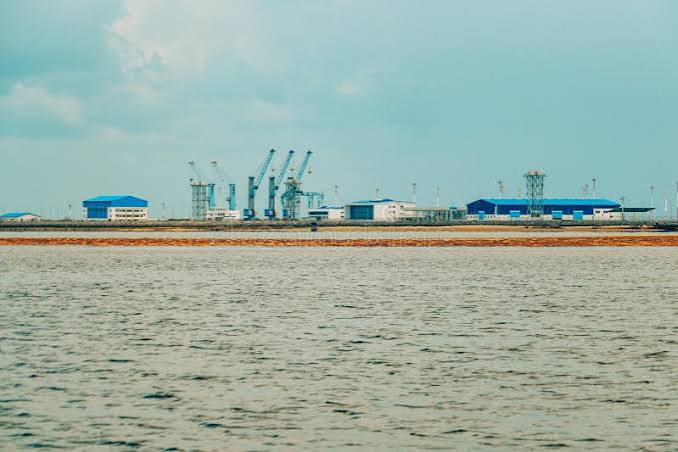
When to invest. Early-stage corridors reward patience: land banking in Lamu suits investors with a five-to-ten-year horizon who can hold through infrastructure delivery. Before you buy, confirm road access, water and power availability, current security and access conditions, and the title type. Remember that a foreign buyer can hold only a leasehold of up to 99 years, so a plot advertised as freehold must be structured correctly, and agricultural land needs Land Control Board consent.
Kenya’s legal and tax framework for foreign property investors
Foreigners can invest in Kenyan property with confidence once they understand one rule: Article 65 of the Constitution limits non-citizens to leasehold interests of up to 99 years (Kenya Embassy, Washington). Apartments, townhouses, villas and commercial units on leasehold land are all available to foreign buyers.
Key rules at a glance
| Topic | What to know |
|---|---|
| Land tenure | Non-citizens hold leasehold of up to 99 years. A freehold title held by a foreigner is treated as a 99-year lease. |
| Companies | A Kenyan company with any foreign shareholding is treated as a non-citizen landholder, and a trust cannot be used to get around the limit (CM Advocates). |
| Agricultural land | Transactions need Land Control Board consent, and foreigners face tighter limits (Kenya Embassy). |
| Unit titles | The Sectional Properties Act, 2020 supports individual titles for units in a development (Chambers 2026). |
| Stamp duty | About 4% in urban areas and 2% in rural areas, with conveyancing fees commonly 1% to 2% (Commercial Property Kenya). |
| Capital gains tax | 15% on profit when you sell, per the same guide. |
| Rental income | Non-resident landlords generally declare and pay at year end rather than monthly (Multilaw). |
| Tax number | A KRA PIN is needed for tax and registration. |
Tax rates and thresholds change through each year’s Finance Act, so confirm current figures with a Kenyan tax adviser and your home-country adviser before you transact. This guide is general information, not legal or tax advice.
Due diligence checklist before you pay
- Run an official search at the land registry and confirm the seller matches the registered owner
- Check for caveats, charges, court orders and unpaid land rates
- Confirm the title type and that it is correctly structured as leasehold for a foreign buyer
- Verify approvals: county planning, NEMA environmental clearance and, for agricultural land, Land Control Board consent
- Inspect the site in person or through a trusted representative, and confirm the boundaries with a licensed surveyor
- Have your own advocate review the sale agreement and payment schedule
- Pay only into the advocate’s or developer’s verified account and keep every receipt
Risks to weigh and how a good developer reduces them
Every frontier market carries risk, and an honest developer names it. Chambers’ 2026 review notes that most off-plan investor risk sits in the pre-construction and construction phases, including unregulated developer entry, diverted funds, rigid payment terms and slow lease conversions (Chambers 2026).
| Risk | How it shows up | How to reduce it with PZ |
|---|---|---|
| Title defects | Fake or disputed ownership, caveats, double sales | Official search and independent advocate review before any payment |
| Off-plan delay | Late handover, stalled works | Milestone-linked payments and a written completion schedule |
| Currency movement | Shilling moves against your home currency | Price in a stable currency where possible and stage transfers |
| Liquidity | Land and large units can take time to sell | Choose a realistic holding period and a clear exit plan |
| Regulatory change | Tax or levy changes in a new Finance Act | Annual review with a tax adviser |
How to invest with PZ Developers, step by step
- Discovery call. Share your budget, horizon and goal: rental income, resale or land banking.
- Shortlist. PZ presents matching projects with maps, titles, payment plans and photos.
- Due diligence. Your advocate and PZ’s team run searches and verify approvals together.
- Agreement and deposit. Sign a sale agreement that follows Kenyan law and pay into a verified account.
- Construction or development updates. Receive regular photo and video reports against agreed milestones.
- Title handover. Receive your leasehold title, then register for rental management or resale support.
Start your Kenya property journey with PZ Developers
Kenya combines a deep housing shortage, rising urban demand and new corridors such as Lamu. The investors who benefit most pair that opportunity with a developer who protects title, communicates clearly and delivers on time. PZ Developers Limited is built for that role.